Provide All Relevant Information - Submit Query

Student Visa

Profile Check Form

Click Here ×
S
t
u
d
e
n
t

V
i
s
a

Get in Touch

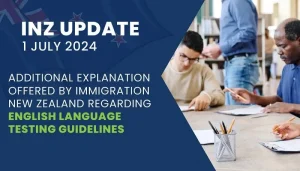
    Additional Explanation Offered by Immigration New Zealand Regarding English Language Testing Guidelines

    In a recent development, significant changes have been implemented to the immigration instructions regarding English language tests. These revisions aim to provide clarity on the administration of English language assessments, specifically emphasizing that these tests must be taken in a formal test center and cannot be conducted remotely, including the ‘at home’ testing options facilitated by certain test providers.

    Clarity on Test Administration

    The updated immigration instructions underscore the requirement for individuals undergoing English language proficiency assessments to physically attend a designated test center for the examination. This measure is in place to ensure the integrity and standardization of the testing process, thereby enhancing the credibility of the results obtained.

    Remote Testing Limitations

    With the prohibition of remote testing, which extends to ‘at home’ testing schemes offered by select test providers, the emphasis is placed on the controlled environment of accredited test centers. By mandating in-person attendance for these assessments, the regulatory framework aims to uphold the authenticity and reliability of English language test outcomes, crucial for immigration purposes.

    Implications for Applicants

    Prospective immigrants and visa applicants are urged to adhere to the revised guidelines stipulating the in-center administration of English language tests. By complying with these directives, applicants can ensure alignment with the updated immigration protocols, thereby facilitating a smoother and more transparent evaluation process of their language proficiency levels.

    Enhancing Compliance and Fairness

    The implementation of these changes not only reinforces compliance with standardized testing procedures but also bolsters the fairness and consistency of evaluating English language skills across all applicants. By standardizing the testing environment and eliminating remote testing options, the immigration system aims to promote equality and impartiality in assessing language competency.

    Conclusion

    The recent amendments to immigration instructions regarding the administration of English language tests underscore a commitment to upholding the integrity and credibility of language proficiency evaluations. By emphasizing in-center testing requirements and disallowing remote testing modalities, the regulatory updates seek to enhance the transparency, fairness, and reliability of English language assessments within the immigration context. Adherence to these revised guidelines is paramount for individuals navigating the immigration process, ensuring a streamlined and equitable evaluation of their language proficiency levels.

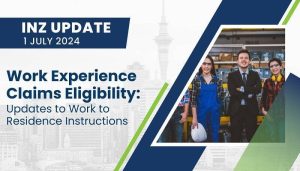
    Work Experience Claims Eligibility: Updates to Work to Residence Instructions

    In a recent update to the Work to Residence instructions, a minor yet significant wording change has been implemented to eliminate an inconsistency that previously restricted the claiming of work experience for occupations that have been removed, or may be removed in future, from the Green List, Care Workforce sector, and Transport sector lists. This alteration now allows individuals to claim work experience from the commencement of their employment in an eligible role, provided the occupation was featured on the relevant list at any time within the 24-month work experience timeframe.

    Removing Limitations for Work Experience Claims

    The modification addresses a key issue regarding the limitation on claiming work experience for roles that have been removed or are subject to removal from the Green List, Care Workforce sector, and Transport sector lists. By allowing individuals to cite work experience based on when they commenced work in a qualifying position, regardless of subsequent list changes, the updated instructions offer more fairness in evaluating applicants’ professional work experience.

    Ensuring Equitable Assessment Criteria

    This adjustment ensures that individuals are not unduly penalized for changes in occupational classifications or list revisions that may occur over time. It acknowledges the value of practical experience gained during periods when specific occupations were recognized, even if they are later modified or removed. This change aligns the assessment criteria with a more inclusive and forward-thinking approach, promoting a fair evaluation process for all applicants seeking Work to Residence opportunities.

    Facilitating Transparency and Clarity

    By clarifying the eligibility criteria for claiming work experience, these revised instructions aim to enhance transparency and provide clear guidance to applicants navigating the Work to Residence pathway. The emphasis on recognizing past employment history within the defined timeframe, irrespective of subsequent list alterations, aims to streamline the application process and ensure that relevant experience is duly acknowledged and considered.

    Conclusion

    In conclusion, the recent wording adjustment in the Work to Residence instructions represents a positive step towards streamlining the evaluation process and promoting fairness in assessing work experience claims. By removing limitations related to list changes and allowing individuals to leverage their full professional work experience, this change underscores a commitment to equitable assessment practices and acknowledges the value of diverse work experiences in immigration settings.