

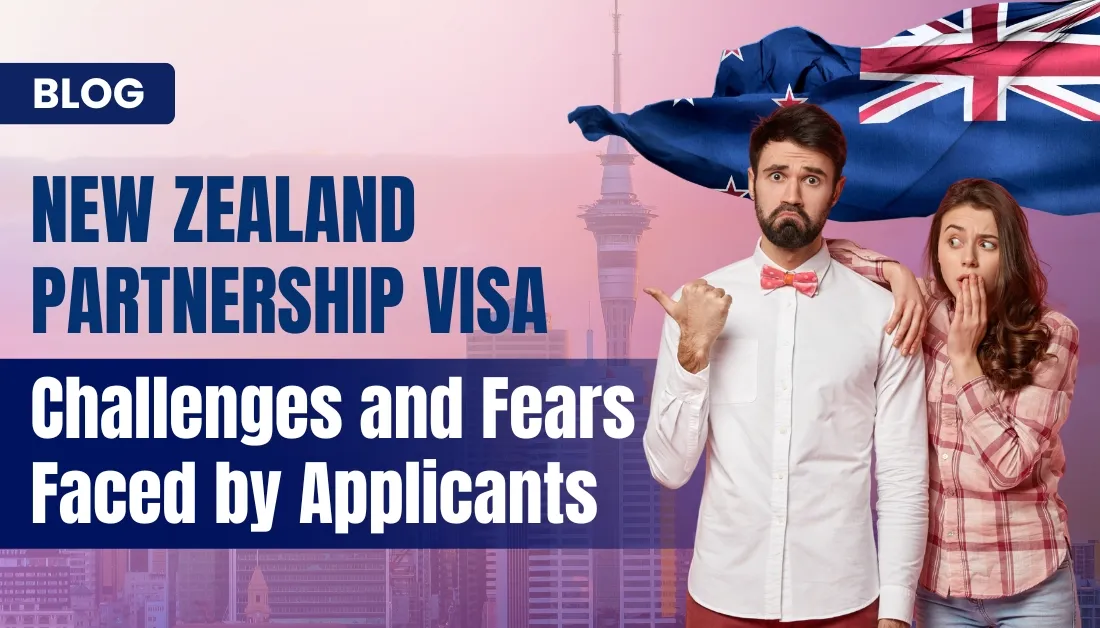
New Zealand Partnership Visa Challenges and Fears Faced by Applicants
Let’s talk honestly.
A partnership visa is not just a form you fill out. It’s your ability to stay together, work legally, and build a stable future in New Zealand. That’s a lot riding on one application — so of course people feel anxious.
If you’re feeling nervous, uncertain, or overwhelmed, you’re not overreacting. Almost every genuine couple goes through the same fears.
Let’s walk through them properly.
“What If They Don’t Believe Our Relationship Is Real?”
This is the biggest worry.
Immigration New Zealand doesn’t approve partnership visas just because you’re married or have been together for years. They assess whether your relationship is:
- Genuine
- Stable
- Exclusive
- Likely to continue
That sounds simple — until you realise it has to be proven with documents.
Many couples assume:
“We have wedding photos and a marriage certificate. That should be enough.”
It’s not.
Immigration officers look for day-to-day life evidence:
- Joint bank accounts
- Shared tenancy agreements
- Utility bills
- Travel records
- Timeline of your relationship
- Social proof over time
Think of it this way: they are not judging your love story. They are assessing documented consistency.
The “Living Together” Issue
This catches many couples off guard.
In most partnership categories, living together is not optional — it’s essential.
Common situations I see:
- Long-distance marriages
- Cultural weddings before cohabitation
- One partner overseas waiting on a visa
- Work commitments in different countries
Then the panic question:
“We’re legally married but haven’t lived together long enough. Is that a problem?”
Yes. It can be.
Immigration policy is evidence-driven. Time spent physically living together matters. If there are gaps, they must be clearly explained — not ignored.
“Will My Past Visa History Ruin This?”
If you’ve:
- Had a visa declined
- Breached visa conditions
- Worked without proper authorisation
- Been unlawful in the past
You’re probably worried this will resurface.
Partnership visas are relationship-based, yes. But credibility still matters. If your history shows inconsistencies or compliance issues, officers will look more closely.
It doesn’t automatically mean refusal — but it must be addressed carefully and transparently.
Sponsor Eligibility — The Hidden Trap
Many couples assume:
“My partner is a resident. So we’re fine.”
Not always.
Sponsors must meet certain requirements. Issues that cause trouble:
- Multiple past sponsorships
- Character concerns
- Previous domestic violence findings
- Ineligibility under specific sponsorship rules
Sometimes the applicant is fine — but the sponsor isn’t eligible. And couples only discover this after applying.
That’s painful and preventable.
Interview Anxiety
If Immigration has doubts, they may conduct separate interviews.
This is where strong couples suddenly panic.
People worry about:
- Forgetting dates
- Giving slightly different answers
- Cultural differences in communication
- Nervousness being misread
Remember: interviews test consistency, not perfection. Minor differences are normal. Major contradictions are not.
Preparation reduces anxiety. Guesswork increases it.
“We’re Not Financially Strong — Will That Affect Us?”
Partnership visas are not strictly income-based like some other countries.
But financial stability still influences credibility.
If one partner:
- Is not working
- Has minimal funds
- Relies fully on the applicant
- Or the applicant has no independent means
Immigration may look deeper at whether the relationship appears interdependent and sustainable.
It’s about overall picture — not just bank balance.
Fear of Being Trapped
This one is rarely spoken about openly.
Some temporary visa holders quietly worry:
- “If this relationship breaks, I lose my visa.”
- “What if I feel pressured to stay because of immigration?”
That emotional imbalance can be serious.
There are provisions under special circumstances (such as domestic violence), but many applicants either don’t know or are afraid to seek help.
Immigration status should never trap someone in an unsafe situation.
The Stress of Waiting
Processing times stretch. Months go by.
Meanwhile:
- You can’t plan long-term employment
- You hesitate to sign housing commitments
- Family members ask questions
- Every email from Immigration makes your heart race
Uncertainty is exhausting.
But here’s the reality: delays are common. Weak applications cause longer delays.
Strong, organised applications reduce unnecessary back-and-forth.
Where Most Partnership Applications Go Wrong
Here’s what I consistently see:
- Over-relying on wedding documents
- Submitting disorganised evidence
- No clear relationship timeline
- Gaps in living together without explanation
- Inconsistent partner statements
- Last-minute rushed submissions
A partnership application is not about emotional storytelling.
It’s about structured evidence aligned with policy.
Want to avoid these mistakes?
Most refusals happen due to missing or poorly organised evidence.👉 Download Partnership Visa – Evidence Checklist
A structured list of documents Immigration New Zealand actually expects.
The Part Most People Don’t Want to Hear
Being genuine is not enough.
You must prove you’re genuine.
Couples who treat this casually often face unnecessary stress. Couples who treat it like a structured legal process — organised, transparent, complete — stand much stronger.
If you’re anxious right now, that’s normal.
But anxiety should push you to prepare properly — not to rush.
Because in partnership cases, preparation is protection.
FAQs
[sp_easyaccordion id=”62021″]


Author Details

 Home
Home
 Services

 Contact
 About
About