Provide All Relevant Information - Submit Query

Student Visa

Profile Check Form

Click Here ×
S
t
u
d
e
n
t

V
i
s
a

Get in Touch

    Study Online: Academic Mobility vs Physical Mobility

    Parents and students worldwide are looking at options where the inability to travel can be overcome while the borders are closed. The pandemic has taught the world all the possible new ways of survival.

    The education industry has responded by tapping into the vast potential of online learning while most of the world’s students have barriers to their physical mobility. The virtual mobility has emerged as a means by which those unable to move physically across borders can enjoy some of the qualities and benefits of international education.

    International student education was always important, but now it is getting transformed. While the short-term picture is not very encouraging, the long-term picture is healthier.

    New Zealand education providers have been at the forefront of this transformation, and Studying in New Zealand – Online is increasingly becoming popular. Getting a degree from world ranked universities of New Zealand is a dream of many young students, which is now within reach. It also comes with benefits that have are being highlighted here to motivate you further.

    Is it affordable and doable?

    Studying abroad used to be an expensive affair till the pandemic. Now, students who want to start online can pay tuition fees per paper vis-a-vis earlier, where they had to pay yearly. They also save on living costs. For deserving students, scholarships are also available.

    The students can start the course online, and when borders open, transition into face to face classes after visa approval. The learning processes aren’t rigid anymore in the online format; teaching lessons and completing assignments are all flexible.

    The benefits are innumerable, and students also get to know the NZ learning environment sitting in the comfort of their own home.

    What if the border closure persists?

    The efforts and emotions put into completing the degree don’t go in vain, even if the borders remain closed for a more extended period than expected.

    A student who is enrolled in a master’s program has an option to complete a few papers online at their own pace and convenience, take a break after that and complete remaining papers on-campus after the border opens.

    Post-study work visa eligibility

    Immigration New Zealand (INZ) has stipulated that students who commence their studies online from overseas and then transfer to study on campus in New Zealand at a later date are eligible to apply for a post-study work visa. However, they must still complete 30 weeks of full-time study in New Zealand. We at Immigration Advisers New Zealand factor this into our counselling and immigration advice to you.

    Commencing your study offshore online does not guarantee that you will be granted a student visa. You must still meet the normal immigration requirements of a student visa application (such as funds, health and character requirements). However, you stand your best chance by going through us at Immigration Advisers New Zealand Ltd.

    How To Reduce Evidence Of Funds Required By An International Student To Study In New Zealand

    New Zealand Continued Border Closure

    It is now an irrefutable fact that New Zealand has become one of the best countries to gain a higher qualification. All the universities of New Zealand rank in the top 3% of universities in the world. It is considered one of the safest countries for international students, even more so due to how they have handled the pandemic.

    For the continued safety of people inside New Zealand, until international travel becomes safe, New Zealand has currently suspended processing offshore student visas. The next intake that is being currently looked at by the international students is January 2022.

    Online Studies – Cost-effective

    New Zealand’s education providers to assist prospective international students looking to come and study in New Zealand once the borders open have come with multiple online study options. This will significantly reduce the evidence of funds required to be submitted by a student when applying for a student visa to Immigration New Zealand (INZ).

    Reduced Funds Requirement

    An international student needs to provide evidence of the funds to pay for tuition fees and the cost of living for the course duration to INZ. Identifying this as an opportunity to help prospective international students during the pandemic, most education providers now provide a platform to study a part of the qualification online.

    This is very beneficial to the student, as part of the courses being offered online has lower tuition fees. Many education providers are giving scholarships and discounts to study their courses online.

    A student can save approximately 20% of the total tuition fee payable for the course on average. Additionally, there is no requirement to incur any associated costs like student levy fee, insurance etc. Students also do not have to cater to the living cost for the entire duration of the course. All this helps an international student budget and reduce international education cost.

    Benefits Of Online Course

    There are many online courses that education providers are currently offering. These could be Diploma’s, Bachelor or even Masters; however, care needs to be taken only that part of the course is done online, which does not affect the Post Study Work Visa.

    The student can study one paper for up to two years from the comfort of his/her home. Studying online is beneficial to the students in terms of financial gain and helping them familiarise themselves with the education system of New Zealand.

    One of the challenges an international student faces when studying overseas is the country’s different education system. They struggle to settle in a new country and adjust to the new education system, which would differ from their home country. Learning a part of the qualification online helps them to become familiar with the requirements.

    They understand the process of writing an assignment and attempting exams. This helps them to settle faster when they come to New Zealand and start studying face to face.

    Cross Credits and Recognition of Prior Learning (RPL)

    All the papers or courses which a student does online will be cross credited. It means that the student will not be required to repeat those papers when they come to New Zealand to complete their qualification.

    For example, if a student has applied for a Masters, which has 180 credit points, then studying 60 credits online will only leave the balance of 120 credits to be studied in New Zealand.

    Education providers of New Zealand also recognise qualifications gained by the students in their respective home countries. If a student is planning to study a qualification in New Zealand and feels that they have done a part of that qualification in their home country, they can request the education provider to consider recognising their previous qualification and provide them with credits. This would help them to complete the desired qualification in a lesser time.

    An example would be when a student has completed or is studying a Bachelor’s qualification in the home country and is planning to continue the same in New Zealand. The education provider can compare the course offered in their home country with their own qualification and provide cross credits. This would reduce the duration of completing the Bachelor’s in New Zealand and allow the student to complete the course faster. This not only reduces the duration of the course but also reduces the financial requirements.

    Dual Qualification

    Some education providers are offering certificates on completion of the online course. For example, if you complete 60 credits of the Masters course, you will receive a post-graduate certificate, a New Zealand governments recognised qualification. Once you continue and finish the New Zealand qualification, you will get another certificate for completing your Master’s course.

    Post Study Work Visa

    New Zealand provides post-study work rights to international students who successfully meet the designated qualification criteria. The duration of the post-study work rights depends on the qualification international student completes in New Zealand. This ranges from one to three years. The provision of post-study work rights provided by New Zealand is an excellent way to familiarise themselves with the work opportunities.

    Contact Us

    If you are an international student planning to study in New Zealand, please contact us at Immigration Advisers New Zealand Ltd. Our Licensed Immigration Advisers team will help you select the right course and education provider and get the best cost reduction benefits. We will guide you to use the opportunity to do part of the course through online studies and reduce the evidence of funds required to be submitted with your student visa application when lodging it is INZ.

    Online Learning for International Students – Advantages, Limitations and Recommendations

    As the world scrambles to lay their hands on COVID-19 vaccine – online learning as an outcome of the pandemic related restrictions has become a prevalent choice for all. Prospective international students who are looking to come and study in New Zealand are looking at this option so as not to elongate their break from their studies.

    There is an old saying that necessity is the mother of invention, and it still holds as proved by the innovations recently introduced in the online learning space. We can see from the universities initiatives that enrol international students, many of whom have returned to their home countries and now solely rely on e-learning platforms.

    Saves Cost of Living

    Much like anything, online learning has its shares of pros and cons. It boasts plenty of advantages. For international students, it saves the expenses of living in a foreign country. Even for the home-country students, the costs of commute and renting space near the campus are saved. Such savings can be a big difference-maker in affording a university education. Also, online learning comes with big convenience; you get to study from the comfort of your home, or wherever you are. It saves students’ time and from troubles of heading to classes.

    Enhanced Learning Experience and Returns

    Moreover, online learning can be more rewarding academically. The top universities of New Zealand have built a robust and intuitive infrastructure that promotes better understanding and more rewards; students can learn better and more effectively, which enriches them with enhanced skills and knowledge and inevitably gets them the desired grades.

    Lack of Sociability

    But all said, e-learning also has several limitations that cannot be overlooked. For one, it lacks the social aspect that students often seek and enjoy in their college life. There’s little room to meet new people and build new connections, which are incredibly important for various reasons. It helps improve students’ interpersonal skills. Also, building a network of classmates and faculty members is very helpful to discover more career opportunities.

    Maximize the Benefits, Minimize the Cons

    Students who rely on online learning are often advised to maximize this model’s pros and minimize the cons. If you’re e-learning, with the time you save, it’s essential to get other aspects of your life on track. This includes your health and fitness. Invest efforts and resources in getting yourself physically and mentally healthier. Take up extra classes and signup to other programs that can add to your skills and qualifications.

    Similarly, make efforts to communicate more with your teachers and classmates. If there are open platforms/forums available in your online classes, ask more questions and help others with answers. Reach out to more people; a simple ‘hey’ can be the start of a long friendship. Participate in different activities that aim at connecting people and building network.

    In all, as mentioned earlier, online learning has advantages and disadvantages. It comes down to the students how they make the most of this learning model.

    English Eligibility for International Students When Applying to Study in New Zealand

    Types of Education Providers in New Zealand

    International students who want to pursue higher education in New Zealand must first apply for an offer of a place to an education provider. There are three main types of education providers in New Zealand. These are Private Training Establishment (PTE), New Zealand Institute of Skills and Technology (NZIST) formerly known as Institutes of Technology & Polytechnics (ITPs), and University. Study programmes designed for international students are regulated within the New Zealand Qualifications Framework (NZQF). New Zealand Qualifications Authority (NZQA) is responsible for quality assuring all courses and tertiary education organisations other than universities. The Committee on University Academic Programmes (CUAP) and the Academic Quality Agency (AQA) have delegated authority for quality assurance of university education.

    English Eligibility to Study in New Zealand

    For PTE, and NZIST the NZQA sets English language entry requirements for international students through the NZQF Programme Approval and Accreditation Rules 2018 and the Training Scheme Rules 2012. If the approved entry requirements for a specific programme are higher than those listed in Rule 18, the student must meet the higher level required by the provider. There is a range of evidence that providers can use to verify an international student’s English language proficiency.

    All education providers are responsible for ensuring that the international students they enrol, have the required level of English language proficiency for the level at which they intend to study. Students can prove this by submitting evidence of an approved English language test or prior study in the English medium.

    So, if you want to study in New Zealand, you’ll have to meet the English language entry requirements for international students.

    Which Test to Take?

    There are several standardized English proficiency tests that education providers in New Zealand accept. They use it to verify an international student’s English language proficiency. The details are listed on the NZQA Website and mentioned in Rule 18.

    NZQA has also provided a Table of English language proficiency outcomes for international students on their website, which sets out the approved test, and required outcomes. International students may use these tests as evidence of English language proficiency for international students who are enrolling in different levels of study programmes.

    How Much Do You Need to Score?

    Every education provider has its baseline requirements as per the study programme they offer to international students. For instance, if you’re applying for program level 9-10, which includes Master’s degree and Doctoral Degree, you are usually needed to score overall 6.5 Bands in Academic International English Language Testing System (IELTS) or its equivalent and acceptable test.

    Since the English proficiency test is mandatory, and education providers prefer students with a certain level of the score, students need to spend enough time in preparation. Irrespective of which test you’re taking – TOEFL, IELTS or PTE – they will each test your English reading, listening, speaking, and writing skills through various sections.

    Have Taken the Test – Now What?

    Once you have given the test – and have scored sufficient to what the education provider of your choice requires – you can commence the admission process. We the Immigration Advisers New Zealand are an Education New Zealand Recognised Agency (ENZRA) and represent most education providers in New Zealand. We have a dedicated team of education/career counsellors and admission processing team in place to assist you.

    In the early stage, you will be asked for your academic documents, and work experience evidence (if applicable) along with the score of your English proficiency test. As your application process moves forward, the score you submitted will be verified by the education provider. In case your score for some reason does not meet the required level, you can always retake these tests. Certain education providers can also provide you pathway offer of a place with which you can lodge your pathway student visa.

    Get Help With NZ Student Visa

    If you need more assistance with the admission process, consider contacting our team of education counsellors. For help with New Zealand Student Visa, get in touch with Immigration Advisers New Zealand Ltd. IANZ is one of the leading immigration services providers in Auckland, trusted by hundreds of international students with their end-to-end visa needs and problems.

    Future of International Education in New Zealand

    PANDEMIC.. this word has created uncertainty all over the world. People are struggling to adapt to its huge impact, which has left everyone anxious about their future. We cannot turn a blind eye to the social, political and economic disruption that the pandemic has caused. Even though the news of the vaccine has left us hopeful of the future, it is too early to rejoice until the vaccine is tested and made available to all. Having said that, the response of New Zealand to the pandemic has been historic. New Zealand is one of the very few countries that managed to face the pandemic with minimal hardships to its citizens.

    However, we cannot deny the impact of the pandemic on the education sector of New Zealand. Many students have had to change their study plans. Some students opted to leave New Zealand. However, those who chose to remain in New Zealand were the lucky ones. The education of onshore international students has in no way been allowed to get affected by the New Zealand government due to the pandemic.

    We can soon expect some good news for even those who are intending to study in New Zealand in future. Education New Zealand and Immigration New Zealand has put a recovery plan in place with pathways initiative. As per media reports, this pathway programme is likely to start building a diverse stream of qualified international students for New Zealand’s universities as of March 2021.

    The Minister of Education Chris Hipkins has given a statement saying that this ground-breaking initiative will give students around the world more choice and flexibility when it comes to how and when they gain a high-quality New Zealand education.

    Team Immigration Advisers New Zealand can assure those who are undecided about where to pursue their higher education that New Zealand is the best place to study. They can check this claim themselves merely by looking at how little or no impact onshore students had with their education due to the pandemic.

    What Do Students Want?

    The answer to this would have certainly been different before the pandemic. However, the answer now would be to come and study in an environment where the student’s interests are protected, and external factors do not impact education. Those studying in New Zealand would vouch that they continued their education without much hindrance in a safer environment as opposed to many around the world. As we are all hopeful that we will soon be able to return to our normalcy, New Zealand has emerged as one of the safest and finest places to pursue primary, secondary or tertiary education.

    New Zealand: A Better Alternative for International Students

    There is no argument that New Zealand handled the pandemic better than most other countries. Where more powerful countries such as the USA and the UK have failed, New Zealand not only managed it well but ensured that people suffered as little hardships as possible.

    New Zealand is undoubtedly one of the safest places at present for students. New Zealand is one of the best destinations for international students and offers a range of course options to cater to all education needs. Indeed, there are challenges ahead. But with all the perks and facilities the country offers – and its administrative efficiency – New Zealand now stands as one of the superlative destinations for international students to enjoy high-quality education and a better standard of living in a safe environment.

    Recommended Read: Why You Should Consider Studying in New Zealand

    From Studying to Working in NZ : Resources for International Students

    New Zealand is one of the few countries that welcome international students from all walks of life. It also offers a rewarding and secure future. Undoubtedly, it is one of the most sought after countries in the world. It provides international students with a complete package consisting of internationally recognized qualifications, a hands-on approach to learning and excellent career prospects.

    However, to make the most out of everything that New Zealand has got to offer, one has to be wary of baseless information available on various online platforms. Instead, you must refer to verifiable information given on Government sites and get assistance/advice from a Licensed Immigration Adviser.

    By doing so, you will access truthful information, which will help you make a well-informed decision.

    Choosing The Right Course

    The first step is to do a self-analysis based on aptitude and interest. This step will help you mind map your entire journey until you reach your goal. The course you choose must provide you with academic and career progression. There are various sites you can refer to connect your interest with the courses offered in NZ. While choosing the course, you must simultaneously research the graduate outcomes post completion of your qualification. Your research should include related sectors, prospective employers, what skills they are looking for etc. Once you choose the right course, you would have reached a significant milestone.

    Acquiring Post-Study Work Visa

    Depending on the level of your course, you may avail up to 3 years of post-study work visa post completion of your qualification. A Licensed Immigration Adviser will be able to guide you on the requirements and processes involved correctly.

    Being Smart During College

    Networking is a key element if you want to succeed in New Zealand. It would help if you built your network while you study- connect with your professors, colleagues, and employers during internships. Be an effective communicator and showcase your capabilities at all times.

    Make use of all available avenues. For example, most education providers have a Career Development Cell. This cell will assist you in building your CVs, working on your interview skills and helping you find the right employer.

    At the same time, get connected with Licensed Immigration Advisers based out of New Zealand. You will need his/her guidance with regards to the legalities involved in all your future visas till you reach the end goal.

    Additional Resources

    • If you’re still confused, here’s why you should consider pursuing higher education in New Zealand: Go Here
    • Here’s the information compiled by the New Zealand Government on where and what to study: Go Here
    • Get more insights into education, employment, and income of 60 occupations in New Zealand: Go Here
    • If you want to live in NZ permanently, learn about the process how international students can go about it: Go Here
    • Your NZ Student Visa application can hit many roadblocks. Know how you can deal with these “roadblocks:”: Go Here
    • Need more information on New Zealand Immigration? Want help with NZ Student Visa application process? Connect with us today: Go Here

    Top 7 Options Students Should Consider Studying In New Zealand

    The world is going through a major technological and cultural shift. This has affected the collective society on many levels, especially the job market. The trends are fast changing. The jobs that once carried high demand are slowly disappearing, and jobs that were unheard of till a decade back (like Social Media Manager, Digital Marketing Specialist, Content developer, Cloud computing specialist, etc) have garnered a much higher level of demand.

    Very soon, with the increasing usage and dependence on automation and artificial intelligence (AI), a lot more significant changes are expected. Consequently, it could result in the unemployment of those who fail to upgrade constantly and adapt – a concern that even the likes of Mark Zuckerberg, Elon Musk, and Bill Gates have voiced. (Source, Source)

    Needless to say, students must gauge the viability and relevance of their preferred career path keeping in mind the disruptive elements that are being introduced into the pre-existing norms each passing day.

    Here are the top 7 options students could consider studying in New Zealand to ensure better career prospects and employability:

    1. Nurse – Healthcare and medicine will continue to flourish in the job market. Nurses, in particular, will see a surge in demand with their roles also expanding to cover virtual health support. General physicians, dentists, pharmacists, and physiotherapists will also enjoy a consistent growth in their respective career trajectories.
    2. Financial Adviser – New Zealand’s tech space has stepped up its pace in recent times, with various promising startups emerging from Auckland and Wellington. Every business – new or old – requires a strong financial department to survive and thrive. This puts financial advisers, along with accountants and finance-related jobs, in a very good position.
    3. Growth Marketer – Marketing is the backbone of business growth and sustainability. But now business owners – particularly the startups – aren’t just looking for marketers but they are looking for growth marketers who can enable their growth at a higher pace. In general, marketing professionals like SEOs, social media marketers, and content creators will be in even higher demand.
    4. Software Developer – In the next decade, IT-related jobs will dominate the employment sector. Software developers will be at the top among them. These professionals, with additional knowledge of AI and machine learning, will enjoy the greater income. In addition, game developers, UX designers, and system administrators will also dictate the future of IT space.
    5. Electrician – While electricians have always been in demand, the need for electricians with knowledge about renewable energy will see a rise. As New Zealand strides towards 100 percent renewable electricity generation by 2030, these professionals will see many high-income opportunities in the next few years.
    6. Environmental Lawyer – The fight for a greener earth and sustainable resources isn’t a fad. It will, in fact, become one of the most important parts of our conversations within a few years. Therefore, lawyers who specialize in this subject will certainly see a huge rise in demand as we move forward.
    7. Data Analyst – You would have most likely heard a lot about big data. You will keep hearing about it all the more in the near future. With numbers and predictive analysis becoming more relevant in decision-making for business owners, data science-related roles like data analyst and data scientist will become more popular. Opting for this as a career choice could be an excellent choice.

    Conclusion

    Studying courses surrounding these 7 options will play a critical role in securing a better future when you choose to study in New Zealand.

    Good luck!

    (Source: This post is based on an article published on careers.govt.nz, titled “7 careers with a promising future”. You can check it out here.)


    New Zealand Student Visa Process: Removing The Road Blocks

    Thousands of aspirants plan to study in New Zealand. However, the first roadblock they hit is immigration. Applying for NZ Student Visa isn’t simple. There are various mistakes you can make, which can lead to your visa application getting rejected. Indeed, being denied the visa isn’t an end. But the relodgement apart from being painful also costs money and time, which is not something the majority of students can afford. So, taking all the right steps from the go is desirable to ensure your NZ Visa application gets approved in the first attempt.

    Meeting The Requirements

    There are numerous NZ Student Visa requirements you must meet. For instance, you need a valid passport, an offer of place from an approved education provider, academic documents,a medical certificate, PCC, work experience documents (if applicable), evidence of funds, and more. Failing to present satisfactory documentation will inevitably result in the rejection of the visa application. At the same time, you should also heed to various other factors – like when you apply for the visa (because it can take weeks to process the application), how to present credible and verifiable documents and so forth.

    Preparing For The Interview

    A lot depends on your interview with the visa officer. You’ll have to present yourself as an ideal candidate who is a genuine student and truly deserves the visa. You’ll be asked a host of questions; your answers will play a pivotal role in determining whether you’re a genuine student or not. Questions would address your study plans, university choice, academic progression, career progression, financial ability, and post-graduation plans. Your content knowledge,research, confidence and demeanor would be critical. So, knowing what to expect in the interview and preparing accordingly is important.

    Getting Help From Immigration Adviser

    Evidently, there are plenty of pieces in the process that must go in the right places. Doing it all yourself leaves a room to commit basic blunders and get the application rejected. This is why it is recommended to work along with a good immigration adviser who has extensive experience in guiding student. This is one of the surest ways to properly apply for the NZ Student Visa, reduce the chances of getting your application declined, and save a ton of your time. A New Zealand Visa Advisor will assist you throughout the process, helping you gather all the needed documents, prepare for the interview with a visa officer, and avoid the common mistakes many aspirants make.

    About Us

    We at Immigration Advisers New Zealand Ltd., we have worked with hundreds of students to date. Based out of Auckland, we’re a home to highly experienced team of NZ Licensed Immigration Advisers who are driven to provide clients an exceptional experience and the best outcomes. If you want to study in New Zealand, don’t let the tedious Student Visa application process bring you down. Reach out to us now get end-to-end assistance, and successfully apply for Student Visa New Zealand.

    Why You Should Consider Studying in New Zealand

    New Zealand is home to some of the finest universities globally that are known to produce world-class professionals and leaders. It has emerged as a favorite destination for thousands of international students who want to come and study here on a student visa. So, if you plan to pursue your higher education from overseas, this island nation could be a great choice.

    Delivering High-Quality Education

    The education providers in New Zealand offer a wide range of relevant and contemporary courses for all types of students, irrespective of their career goals. Whether you want to be a doctor, software engineer, animator, entrepreneur, or anything else – you will find a whole range of programs here that align with international student’s ambitions. In addition to the quality of education, the campuses in New Zealand are also known for a diverse and hospitable environment that can accommodate students from various cultures and backgrounds. The warm and welcoming natives add to the appeal of studying in New Zealand. We are an Education New Zealand Recognised Agency (ENZRA) and can help you with New Zealand education providers.

    Better Quality Life

    International students also enjoy a better quality of life. There are a plethora of accommodation options that can suit any budget and preference. From the quality of foods to modern transportation to prompt emergency services – New Zealand aces every department. It has natural beauty in abundance. There are numerous spots to visit and miscellaneous things to keep students enjoyably-busy at the weekends.

    Relatively AffordableBy no means is living in New Zealand cheap for international students. However, compared to European nations, it is relatively affordable. With a moderate budget and better choices, a comfortable lifestyle can be sustained.

    Many Reasons to Study in New Zealand

    There are plenty of other reasons why international students now choose New Zealand. For instance, it is one of the safest countries globally, with a meager crime rate. The colleges here have state-of-art infrastructure that makes for a better learning experience. After completing the course, the students find many work opportunities; so, if they choose to stay back and give their career a perfect launch, they can do that.

    Build A Better Career

    If New Zealand sounds like an appealing destination to pursue your higher education, consider getting in touch with a fully licensed immigration adviser to discuss the visa application process.

    Here at Immigration Advisers New Zealand Ltd., a top immigration services provider in Auckland, we have worked with hundreds of students to date, helping them with all the immigration needs. Connect with our licensed advisers today, address your queries, and learn more about New Zealand immigration law for international students.

    International Students And Permanent Future In New Zealand

    The scope and infrastructure of higher education in New Zealand are modern and adhere to the highest standards. But there’s much more to the reasons why so many international students are now choosing New Zealand to pursue their higher studies. Aside from quality in education, the country also promises a better lifestyle and seamless career opportunities after the completion of the course. In addition, those students who wish to live here permanently, have several avenues to acquire New Zealand’s permanent residency.

    Understanding The Process

    Now, while the entire ecosystem is certainly simpler for international students in New Zealand, there is a multitude of factors that must be addressed. Which college to choose, what course to study, what skills to get, how to apply for scholarships, and more – these are questions regarding education. Alongside that, if students are planning to work and live here, they must also heed to the employment opportunities, as well as in-depth know-how about New Zealand immigration. Fortunately, throughout this journey, there’s enough help available; what more, there are numerous options in education, career, and lifestyle available so to adequately match one’s needs, preferences, and goals.

    A Webinar For The Aspirants

    Calling out the offshore and onshore students in New Zealand who want to pursue their higher education in this country, this is a must-attend webinar for you. It will cover how international students can enroll in the right courses for Bachelor’s or Master’s degree in New Zealand – and thereon how they can secure a permanent future here. It will be hosted by Vandana Rai, a Senior Licensed Immigration Adviser at Immigration Advisers New Zealand Ltd. Pablo Fernandez will be the guest speaker. He is the Regional Manager at Auckland University of Technology (AUT).

    Attend This Webinar

    Targeting all students and professionals who want to pursue higher education in New Zealand, here are some of the topics this webinar will cover:

    • Benefits of studying in New Zealand
    • Courses and Scholarships offered by AUT
    • Employability and career after finishing your course
    • Pathway to permanent residency in New Zealand
    • International student support services

    The webinar will start at 5 PM (NZT) on July 21st, 2020.

    Want To Study In New Zealand At Victoria University Of Wellington? This Is A Must-Attend Webinar

    New Zealand not only homes some of the finest institutes in the world, but it also boasts a plethora of career opportunities and an incomparable lifestyle.

    This is perhaps why the country has emerged as a go-to destination for thousands of international students worldwide to pursue higher education.

    If you’re one of these students, welcome aboard! 🙂

    The Little (And Big) Questions Answered

    Studying in New Zealand can be exciting. However, getting admission in the right university (and for the program) has its dynamics.

    Beyond the benefits of pursuing students in this country, a lot more factors must be considered, including the scholarships, work opportunities after completing the course, and the way to acquire the NZ residence visa.

    It could all be very confusing and overwhelming for the students.

    After all, it’s a big life decision that will navigate the rest of their future. Being sure of every aspect and taking the right steps is almost essential.

    This is why this webinar is a must-attend for these students who are actively (or passively) planning to study in New Zealand. The webinar will answer all of their – yours – little and big questions.

    Why Attend?

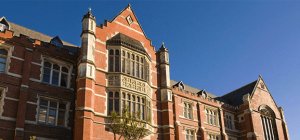
    Victoria University of Wellington is one of New Zealand’s oldest and most prestigious tertiary institutions. It has upheld the highest of standards all these years, boasting a proud tradition of academic excellence. The university offers a range of courses for students to choose from.

    Immigration Advisers New Zealand Ltd. is a leading Auckland-based immigration services providers. On the back of a large and diverse team that includes licensed immigration advisers, it has worked with 1,000+ clients to date. It remains committed to helping international students with all their NZ immigration needs.

    Together, Victoria University of Wellington and Immigration Advisers New Zealand Ltd. is bringing you this webinar, which will cover an insightful discussion around topics and queries that students aspiring to study in NZ usually have.

    Here are some topics that you’ll learn more about:

    • Benefits of studying in New Zealand
    • Work opportunities after completion of the course
    • Possible pathways to gain residence in New Zealand
    • Which professions are in demand in New Zealand
    • Courses offered by Victoria University of Wellington (VUW)
    • Scholarships offered by VUW
    • And more…

    Ms Andrea McLeod-Karim will be the guest speaker at the webinar. She is the International Regional Manager of Victoria University Wellington. She will be in conversation with Vandana Rai and Himanshu Rai; Senior Licensed Immigration Advisers at Immigration Advisers New Zealand Ltd. They will cover the mentioned topics and address common queries of international students.

    Attend The Webinar (Book Your Seat Now!)

    “Study in New Zealand”
    Education Provider: Victoria University of Wellington
    Date: 7th July 2020
    Day: Tuesday
    Time: 5:00 PM New Zealand Local Time
    Host: Vandana Rai and Himanshu Rai, Senior Licensed Immigration Advisers
    Guest Speakers: Andrea McLeod-Karim, International Regional Manager, Victoria University Wellington

    Enroll In The Management Course Of Toi-Ohomai Institute Of Technology

    Take confident strides to build a fulfilling career in management with extraordinary leadership skills and a thorough understanding of different aspects of the subject. Toi-Ohomai Institute of Technology is bringing an opportunity for students in New Zealand to pursue higher studies and ink greater success in life.

    Toi-Ohomai Institute of Technology is offering its Master of Management (by Thesis) course targeting onshore students. This is a Level-9 course of one-year duration. It is a research-intensive interdisciplinary Master’s Degree that allows the students to work full-time alongside study. This enables them to achieve seamless growth in career and build acumen to adequately match the needs and challenges of the industry. This course is ideal for students who have a 4-year Bachelor’s Degree or Post-Graduate Diploma in Business or a related field. The course is designed distinctively to produce the leaders of tomorrow who are adept with the right skills to tackle real-world challenges.

    The course touches various aspects – from Finance to Human Resources to Communication – to help students unlock rich strategic management capabilities. In addition, if you are interested in any particular industry, you can also endorse your qualification with a specialization.

    At present, Toi-Ohomai Institute of Technology is offering this course at a special fee. Seats are filling fast, so take a decision for a better tomorrow now!

    Contact us to know more about the course and its admission criteria. Our licensed and experienced experts are working with hundreds of students in New Zealand. We would be glad to address all your questions regarding this course.

    Call us on 09 379 0219.
    WhatsApp +6421 080 14228
    Email: contact@nzimmigration.info
    Visit our website: www.nzimmigration.info

    New Zealand student visa – Get your answers to COVID-19 related concerns

    FREQUENTLY ASKED QUESTIONS (FAQ’S):

    STUDENT VISA WITH NEW ZEALAND IN SHUT DOWN MODE DUE TO COVID -19

    As all of you are aware, due to the circumstances arising out of Covid-19, New Zealand is now in a state of National Emergency, and at Alert Level 4. The country has shut down, apart from essential services.
    Given these unprecedented circumstances, we have been flooded with questions relating to various aspects of student visa. To assist you in gaining clarity, we have prepared a list of such FAQ’s:

    Question 1. I was thinking about studying in New Zealand before the current situation unfolded. Can I carry on with my research as I still plan to study after a few months?
    Answer- Yes, you can still carry on with your plans and use this time to do a thorough research. The admission team for most education providers is working remotely to process offers, and we are also here to answer your queries and address your concerns.
    Question 2. I have applied for an Offer of Place to the education provider, and I am awaiting a response. Are the education providers still issuing offer letters?
    Answer- Yes, the admission teams for most education providers are working remotely to process requests for offer letters; however, the intake may get delayed due to the current situation.
    Question 3. When is the next available intake? Is there any intake before July 2020?
    Answer- As of now, the next earliest available intake is expected to be in July 2020.
    Question 4. I have my offer of place, but my student visa application has not been submitted yet. Can I apply for my student visa during the shutdown period?
    Answer- Yes, currently the applications can be lodged online and are being accepted for processing by Immigration New Zealand (INZ).
    Question 5. My Student Visa application is currently under process, and I did not receive my E-visa before the shutdown happened. Will my admission get automatically deferred to the next available intake?
    Answer- No, the admission will not automatically be deferred. You would be required to submit the revised offer letter after your application is approved in principle by INZ. You are not required to take any action till then.
    Question 6. My student visa application was approved in principle (AIP); however, I was unable to fulfil the AIP requirements before the shutdown happened. Will my AIP requirement date be extended automatically, or do I have to request for an extension?
    Answer- The AIP requirement date would not be extended automatically, and you are required to upload a request for extension online. Considering the current situation, INZ is most likely to approve this request.
    Question 7. My student visa application was approved in principle (AIP), should I complete the requirements such as transfer of fees, or should I wait for the shutdown period to get over?
    Answer- You must try to complete the AIP requirements if you can or else request for an extension by providing reasons for the delay. The financial institutions are still operational, and you should be able to transfer your fees to the education provider.
    Question 8. I have completed the AIP requirements, but my intake is now delayed, should I upload the revised offer, or will my education provider inform INZ directly.
    Answer- The onus is on the applicant to inform INZ about the change in circumstances; hence, you would be required to send the revised offer letter to INZ to ensure the visa validity is in line with your course duration.
    Question 9. I have got my E – Visa but I am unable to travel, how do I extend the first entry date?
    Answer- As per the last communication received from INZ, an extension could be requested; however, we are still awaiting clarity and further information on the process to request such extensions. As soon as we receive further information on this we will share it with you.
    Question 10. My first entry date on my E – Visa has expired, what should I do now?
    Answer- As per the last communication received from INZ, an extension could be requested; however, we are still awaiting clarity and further information on the process to request such extensions. As soon as we receive further information on this we will share it with you.
    Question 11. I have travelled to New Zealand, and am currently under self – quarantine, what should I do and who should I inform, and keep in touch with?
    Answer- You must be in touch with your education provider, who would ensure your wellbeing is taken care of. The education providers in New Zealand are required to follow a code of practice for the pastoral care of international students.
    Question 12. I am in New Zealand and am unable to get my bank account opened/get my Fund Transfer Scheme (FTS) account verified. I am, therefore unable to access my bank account. I am running short of money, what should I do?
    Answer- You can contact your education provider for assistance.
    Question 13. I am under self-quarantine, and I am unable to attend classes due to the poor or no internet connectivity, will it have an impact on my visa? Am I in breach of my visa conditions?
    Answer- You should contact your education provider to discuss your situation. If the reason for non-attendance is beyond your control, this would not be considered as an intentional breach. The important thing is to make your education provider aware of your circumstances.
    Question 14. My education provider has deferred my intake after arrival into New Zealand, what are my obligations, and what should I do now to ensure that I do not breach my visa conditions?
    Answer- Please ensure you immediately inform INZ of the change in your circumstances. If you are unable to get through to INZ, you can also get in touch with your education provider to assist you.

    We are aware that despite our efforts to cover all possible FAQ’s here, there may be more questions or elaborations which you may like to ask.

    Please feel free to contact us on contact@nzimmigration.info or +64 9 379 0219 and get your queries answered.

    Seven Invaluable Tips – Student Visa Interview

    Question by Visa Officer

    Why have you chosen your course, and how is it related to your qualification/work experience that you already have ?

    Tip 1 – Why is the visa officer asking this question?

    Before you proceed to answer this critical question, you will do well to appreciate that the visa officer is asking this question to understand how much planning went into, or how much thought and effort you have put into your course selection. Hence, make sure that your answer is structured to mitigate this concern of the visa officer.

    Tip 2 – There is no right or wrong answer

    Please note that there is no right or wrong answer to this question. You should use this opportunity to showcase your research about the selected course based on the skills you have learned and the knowledge you have gained while studying for your previous qualifications and gaining your work experience.

    The most important thing is to remember that you will need to connect your previous qualifications/work experience to the course that you have chosen to study in New Zealand.

    Tip 3 – Best way to prepare your answer

    Write down the list of skills and experiences you gained through the process of getting your degree, and the internships that you have done. If you are struggling with that, think of all the assignments and project works you did in school—what skillsets did you acquire while working on those assignments and projects? How many of those skillsets relate to the course that you are going to do in New Zealand? Then, focus on those skills when answering this question in an interview.

    Tip 4 – How to relate a seemingly non-related course

    Even if your degree and work experience is not directly related to the job, you can probably find some connections between the two. Let us suppose you have an engineering degree, have worked as a management professional in a small to medium enterprise (SME). Still, you have selected a course in Supply Chain Management to study in New Zealand.

    You might emphasize how, as a management professional with an engineering background while working in the SME, which dealt with supply chain management, made you realize the importance of studying this course.

    Make a mention of how you realized that your existing skills are inadequate to effectively manage individual functions within this organization while integrating activities into key supply chain processes. Cover the aspect of how doing this course will give you the skillset to make the company that you will work for more efficient, competitive, and responsive to customer’s needs. Mention how important it is to take raw goods and turn them into products that reach customers. Explain how, via this course, you will learn to create a smooth supply chain and handle the entire distribution process, from the factory production line to the customer, based on the modules, subjects, and topics that you will study.

    So, If your field of study does not necessarily relate to the course that you have selected, focus on how what you realized/learned prompted your course selection.

    Gaining an education is invaluable, so if you answer carefully, you will be able to convince the visa officer that your selected course will help you fulfill the future career path that you are now choosing for yourself.

    Tip 5 – do not be superficial in your answers

    If you have selected a course related to e.g., supply chain management, then research and find out what goes into meeting customer needs throughout production, distribution, and the delivery of products. Try an understand the design and operation of international supply chains, transportation, and logistics networks, get an idea of how partnerships are built, and between whom.

    Become familiar with the computer simulation programs, which are used to coordinate the flow of materials along a supply chain, and forecast customer demand to ensure that products arrive in time.

    Learn what type of career opportunities are available after doing this course, at what level, and which are the companies that offer them ( both in New Zealand and Globally).

    Tip 6 – Be honest and sincere

    While you should do your best to relate your field of study and work experience to the course that you have selected to study, it is also essential to be honest, as an interviewer can easily spot if you are insincere.

    The visa officer will be curious to see how effectively you have planned for your future, so honestly research your options, and note the factors that influenced your decision. If you did advanced research and planning by going on various websites, and recorded salary and development opportunities, this will provide a solid foundation for your answer.

    Here is your chance to highlight your strengths, and to demonstrate how your chosen field of study will prepare you for your future.

    Tip 7 – Relate your course choice to post-study opportunities available as publicised on government websites

    In New Zealand the government of websites such as:

    • www.immigration.govt.nz
    • www. govt.nz
    • www.studyinnewzealand.govt.nz

    Which cover the details of such opportunities, make sure that you have been on these websites and studies the information on relevant pages. You can also go on some of the popular job websites such as www.careers.govt.nz to research about the career prospects available in New Zealand after you complete your studies.

    Conclusion

    Focus on these seven tips, and you will easily be able to answer the – Why have you chosen your course, and how is it related to your previous qualification/work experience? Visa officer interview question.

    If your field of study does not necessarily relate to the course that you have selected, focus on how what you learned can transfer or apply to the chosen path. An education is invaluable, so if you answer carefully, you will be able to convince the interviewer that your degree will help you fulfil the career path that you are now choosing for yourself.

    Please do not forget to mail on contact@nzimmigration.info to get more such tips.

    International Students In New Zealand Affected By Bank Changes

    As per Education New Zealand ( link provided below) Providers, agents and international students need to be aware that all banks in New Zealand are now required to collect additional information from international students before they can open an account in New Zealand.

    As a result of the Global Tax Information Reporting and Anti Money Laundering campaign, all banks in New Zealand, as well as other financial institutions, are required by law to collect additional information from a foreign tax resident before they can open an account in New Zealand. As part of these changes, banks also require a certified copy of (or, in some cases, the original) the student’s passport (bio-page) and proof of current residential address. Those who apply to open a bank account while outside New Zealand will be required to provide proof of their current overseas residential address, and to present themselves at the bank to activate the account when they arrive in New Zealand.

    The same changes are being implemented in other countries that are part of this global initiative.

    These changes also apply to international students who intend to use INZ’s Funds Transfer Scheme (FTS) to transfer their funds to New Zealand. Note the FTS is only available to international students from certain countries.

    FTS information

    If applying for an account under the FTS in the near future, ANZ, the New Zealand bank that operates the FTS, may contact the student to complete additional forms to ensure they capture the additional information they require. These forms include questions around the student’s tax information, and the student themselves will need to complete and sign these forms (not their agent).

    For FTS accounts only, acceptable proof of residential address includes:

    • Utility bill (e.g. landline telephone and power only)
    • Rates bill (e.g. property tax document)
    • Tax certificate
    • Insurance policy document

    The document(s) listed above must be less than three months old and must state the student’s name and their residential address. Where the student is living with their parents and the document states their parents’ name(s), a parent whose name appears on the document must provide a letter stating that the student lives with them.

    Note: there may be some delays visa application processing while Immigration New Zealand and ANZ work through these changes.

    Link – https://enz.govt.nz/news-and-research/ed-news/international-students-affected-by-bank-changes/