Provide All Relevant Information - Submit Query

Student Visa

Profile Check Form

Click Here ×
S
t
u
d
e
n
t

V
i
s
a

Get in Touch

    English Language Requirements For NZ Skilled Residence Visas

    Several options are available to meet Immigration New Zealand’s (INZ) English language requirements for NZ visas on a Skilled Residence Pathway.

    Principal applicants can fulfil INZ English language requirements through citizenship, educational background, and qualifications, or English language tests.

    Partners and dependent children who are 16 years old or above have the option to fulfil INZ’s English language requirements. This can be achieved not only through citizenship, qualifications obtained, or English language tests but also by opting for English language lessons to enhance their language proficiency after arriving in New Zealand.

    There are three scenarios where New Zealand Immigration (INZ) can be confident in your or your family members’ English language ability:

    • Scenario 1: If you hold citizenship in Canada, Ireland, the United Kingdom, or the United States and have spent a minimum of 5 years studying or working in person in one of these countries, as well as in Australia or New Zealand.
    • Scenario 2: If you possess a qualification equivalent to a New Zealand level 7 bachelor’s degree, which you obtained in Australia, Canada, Ireland, New Zealand, the United Kingdom, or the United States. Additionally, you must have studied for at least 2 years in any of these countries while physically present there to qualify.
    • Scenario 3: If you have a qualification comparable to a New Zealand postgraduate qualification at level 8 or above, achieved in Australia, Canada, Ireland, New Zealand, the United Kingdom, or the United States. In this case, you should have studied for at least 1 year in any of these countries while physically located there to obtain the qualification.

    Please note that these three scenarios are examples, and specific requirements may vary depending on individual circumstances. It is advisable to visit INZ’s official website for the most current and detailed information.

    Citizenship can be verified through the passport details provided, and additional evidence of citizenship or residency is not required unless specifically requested by INZ. INZ may require copies of qualification certificates and academic transcripts to verify educational background, and overseas qualifications may need to be assessed against the New Zealand Credentials and Qualifications Framework.

    The principal applicant is required to achieve a higher language test result, while partners and dependent children aged 16 or older can meet the requirement with a lower test score.

    It is important to note that test results must not be older than 2 years at the time of application. In some cases, if there are concerns with a home-based test, INZ may require the applicant to take another test at a test center.

    If your partner and dependent children aged 16 or older do not meet the minimum test score required, you have the option to purchase English language lessons for them. The lesson option can be selected during the application process, and the lessons can be paid for if the visa application is approved. This allows your partner and dependent children to improve their English skills after arriving in New Zealand. Discounts on lessons are available based on test scores.

    It is important to note that principal applicants for skilled residence visas cannot use English lessons as a means to meet INZ English language requirements.

    For non-skilled residence visas, the required level of English is lower. Lower English language test results are accepted, and having an English-speaking background can also contribute to demonstrating English language ability.

    Please refer to your specific visa requirements to determine if any minimum English language requirements must be met. Some visa types may not have English language requirements, e.g., Accredited Employer Work Visa (AEWV).

    If you have any questions or require immigration advice regarding your immigration-related circumstances or matters, please contact  Immigration Advisers New Zealand Ltd at contact@nzimmigration.info We will be able to assist you and provide the necessary guidance.

    New Zealand Immigration Now Accepts IELTS One Skill Retake

    Are you dreaming of studying, working, and settling in New Zealand? Then, you must know that proving your English language proficiency is one of the primary needs for anyone looking to live, work, or study in the country. However, taking an (International English Language Testing System) IELTS test can be daunting, and it’s not uncommon for international students and skilled professionals to fail to achieve their desired score on the first attempt. But don’t worry, with the IELTS One Skill Retake option, you can retake just one section of the test, giving you more flexibility to showcase your true abilities. In this post, we’ll explore how IELTS One Skill Retake can help make achieving your goals for NZ immigration more accessible. With the IELTS One Skill Retake option, applicants have a 60-day period after taking the full IELTS test to meet English language requirements without having to retake the entire test. This ensures that test quality remains at a gold-standard level while offering flexibility to applicants.

    So,

    What is IELTS One Skill Retake?

    IELTS One Skill Retake is an option that allows students and other potential immigrants to retake just one section of the test if they feel that their performance is not a fair representation of their actual abilities. This means that instead of retaking the entire test, you can focus on the skill you need to improve to achieve the desired score within a 60-day period.

    How Does It Benefit You?

    There are various ways that IELTS One Skill Retake can benefit you. Firstly, it saves you time and money since you only have to retake one section of the test rather than the entire exam. The fee for the retake test will be lower than retaking the entire test, giving you more room to save money. Additionally, it allows you to show your proficiency in the skill you are lacking, which can enhance your chances of getting the required score.

    What Parts of the IELTS Test Can I Retake?

    IELTS One Skill Retake lets you retake only the section or sections you need to, based on your score in each of the four language skills: listening, reading, writing, and speaking. This means you have control over which skill or skills you want to retake, depending on your needs.

    How Do I Get IELTS One Skill Retake?

    To get an IELTS One Skill Retake, you must contact your closest IELTS testing center and request this service. You must indicate which skill area you wish to retake and your original test results. Upon completion, Immigration New Zealand recognizes the IELTS One Skill Retake as a valid IELTS test certificate. Once you receive your IELTS One Skill Retake results, you can submit them as evidence of your English language proficiency when applying for a visa in New Zealand.

    Conclusion:

    Taking an IELTS test can be a daunting experience, especially if you need to achieve the score you need to study in New Zealand. However, with IELTS One Skill Retake, you have more control over demonstrating your English language proficiency. You can retake just that specific section where you want to show your natural flair that was not previously displayed, saving you time and money. Do not hesitate to contact your nearest IELTS centre to request the IELTS One Skill Retake option to continue pursuing your dreams in New Zealand. However, please remember that with the IELTS One Skill Retake option, applicants have a 60-day period after taking the full IELTS test to meet English language requirements without having to retake the entire test. This ensures that test quality remains at a gold-standard level while offering flexibility to applicants.

    Live, Work, and Study in New Zealand: Become a Permanent Resident of NZ

    Immerse yourself in the enchanting landscapes of New Zealand and call it home. Discover the endless possibilities and advantages of becoming a permanent resident in this awe-inspiring country.

    To become a permanent resident in New Zealand, you’ll need a NZ resident visa. The eligibility requirements include having a resident visa for more than 2 years and meeting specific criteria for yourself and your partner. Once you obtain a permanent resident visa, you’ll have the freedom to live, work, and study in New Zealand without any limitations. Plus, you can travel to and from the country whenever you want.

    As a permanent resident, you’ll enjoy numerous rights and privileges. You’ll have the ability to stay in New Zealand indefinitely, pursue employment, access high-quality healthcare, and provide your children with free education. You can even participate in elections and bring your loved ones to join you in this amazing country.

    The major difference between a resident visa and a permanent resident visa lies in the travel privileges. With a resident visa, you can visit New Zealand multiple times within the visa’s travel conditions. On the other hand, the Permanent Resident Visa grants you unlimited entry and exits, allowing for indefinite stays.

    To be eligible for a Permanent Resident visa, you must meet certain criteria, including good character, holding or having held a resident visa for at least two years, and being committed to living in New Zealand permanently.

    If you’re ready to apply for a permanent resident visa, make sure you have all the necessary documentation, including proof of identity, police certificate, and evidence of meeting visa conditions and time commitment requirements. If you need assistance or have any questions, our team at contact@nzimmigration.info  is here to support you.

    Embark on your journey to a new life in New Zealand today. Contact us and unlock the incredible opportunities that await you.

    Extra Compliance Requirements: AEWV Employers and Controlling Third Parties

    If you are an employer, such as a labor hire company or parent or umbrella company, that places migrants with controlling third parties, there are extra requirements you need to be aware of. The requirements include AEWV (Accredited Employer Work Visa) employers who place people with controlling third parties.

    Some examples of these employers include labour hire companies and parent or umbrella companies placing their migrant workers with a separate legal entity, such as employers who temporarily assign their migrant employees to a controlling third party and a subsidiary company or branch.

    It is crucial to note that these controlling third parties must be compliant. As an employer, you must have robust systems to monitor these controlling third parties’ employment and safety conditions.

    Compliance: Controlling Third Parties

    To ensure compliance, you must respond appropriately to any issues raised or identified that may affect the migrant workers. Additionally, it would help if you only placed migrants who have Accredited Employer Work Visas with controlling compliant third-party businesses.

    A compliant controlling third-party business must ensure that your business meets the following criteria:

    • Not listed on any stand-down lists.
    • Declare that you are not subject to an immigration stand-down or permanent ban.
    • Declare that you are unaware of any immigration issues that would prevent your accreditation.

    Please note if you are placing AEWV holders in specific construction sector occupations, 35% of your workforce must be New Zealand citizens or residents in full-time employment. If your AEWV accreditation was obtained before 27 November 2023, you must maintain a 15% threshold for the NZ workforce and meet the new 35% threshold for further job checks.

    A Safety Monitoring Plan

    Include a comprehensive safety monitoring plan with your accreditation application. This plan should document how you will ensure the safety and employment conditions of migrants. Additionally, upload a documented complaint and resolution process to support your application.

    The plan should include the following:

    • Establish a process to verify that the controlling third party has an NZBN (New Zealand Business Number) and is not on the Labour Inspectorate Stand Down List before placing AEWV holders.
    • Develop a procedure to obtain declarations from the controlling third party before placing AEWV holders, confirming that their key people have no employment and immigration breaches or pending cases that could result in such breaches.
    • Include a provision in the plan for obtaining agreement from the controlling third party, allowing Immigration New Zealand to conduct site visits and requiring the third party to maintain records to be shared with you.

    Placement of AEWV Holder in Employment

    Before placing the AEWV holder, you must:

    • Evaluate the third party’s documentation outlining their strategies to avoid and address workplace bullying, including a complaints process for AEWV holders to report incidents and a protocol for resolving and addressing issues.
    • Review the third party’s risk assessment and prevention documentation, including a risk register.
    • Assess the third party’s health and safety induction process.
    • Provide pertinent information to the third party regarding the visa conditions and terms of employment for AEWV holders.
    • Examine the third party’s complaints and dispute resolution process.
    • Furnish the AEWV holder with a transparent complaints process and guidance on reporting issues directly to you.
    • Secure declarations from the third party and its key individuals, confirming that they are not subject to any stand-down period or permanent ban for specific offenses under the Immigration Act or Crimes Act and that they will notify you if prosecuted for such offenses after the AEWV holders have been placed.

    Essential Measures: AEWV Holders Compliance and Protection

    Regarding immigration, it’s essential to be aware of the specific offenses that can result in a stand-down period or permanent ban. Here are the measures you must take to ensure compliance and protect your AEWV holders:

    • Obtain agreement from the third party that Immigration New Zealand will conduct a site visit and that the third party will maintain records to provide to you.
    • Get declarations from the third party confirming that they will only require or force AEWV holders to work within their visa conditions.
    • Obtain declarations from the third party, ensuring that the AEWV holders’ employment terms and conditions align with health and safety standards.
    • Verify that the third party has an NZBN (New Zealand Business Number) and is not on the Labour Inspectorate Stand Down List for employment standard breaches.
    • Seek declarations from the controlling third party stating that their personnel have no employment or immigration breaches or pending cases that could result in such breaches before placing the AEWV holders.

    These measures are mandatory for all controlling third parties where AEWV holders are to be placed.

    Conducting ongoing checks and maintaining contact with AEWV holders is equally essential. The frequency of contact should be at least once per fortnight for the first two months of placement and then at least once per month afterward. However, more frequent contact may be necessary in certain situations, such as placements lasting less than a month or ongoing disputes or complaints.

    Site visits are required at least once every six months. If there is evidence that the risk of the third-party breaching requirements is low, visits may be done less frequently.

    If any employment or safety issues arise, it’s crucial to investigate and address them promptly. This may involve working with the controlling third party to resolve issues or, in more severe cases, removing the migrants from their care. Seeking external assistance and reporting significant breaches to the relevant authority may be necessary.

    By following guidelines, we can ensure the best possible outcome for AEWV holders and maintain compliance with immigration regulations. Contact us today for expert immigration consultancy services at a fair and reasonable price.

    FAQs:

    [sp_easyaccordion id=”42219″]

    Maintaining Your Immigration Status in New Zealand: Compliance Tips

    New Zealand, with its stunning landscapes, diverse culture, and high standard of living, continues to be a desirable destination for immigrants worldwide. The country’s well-defined immigration policies make it possible for many to realize their dreams of living and working in this beautiful part of the world. However, maintaining your immigration status in New Zealand requires constant vigilance and compliance. This blog post will provide you with some practical tips to help you maintain your immigration status and ensure that your stay in New Zealand is hassle-free.

    Immigration laws are complex, and navigating through them can be a daunting task. It becomes even more challenging when you’re trying to maintain your immigration status in a foreign land. In New Zealand, the immigration process is governed by the Immigration Act 2009 and managed by Immigration New Zealand (INZ), a division of the Ministry of Business, Innovation and Employment.

    Complying with the immigration laws not only secures your stay in New Zealand but also opens avenues for future opportunities like permanent residency or citizenship. Here are some essential tips to help you maintain your immigration status in New Zealand:

    Understand Your Visa Conditions

    Every visa comes with specific conditions and it is crucial to understand these before you arrive in New Zealand. These could include restrictions on the type of work you can do, the duration of your stay, the regions where you can work, the duration of work hours for students etc. Violating these conditions could result in serious consequences, including deportation.

    Keep Your Documents Updated

    Ensure that all your documents, including passport, visa, employment documents and identification cards, are valid and up-to-date. If any of these documents are nearing expiration, start the renewal process well ahead of time to avoid last-minute hassles.

    Report Changes in Circumstances

    You must inform INZ immediately if there are changes to your circumstances that could affect your immigration status. This could include changes in your employment, marital status, or address. Failing to report such changes can lead to complications and may even jeopardize your immigration status.

    Maintain a lawful immigration status

    If you are in New Zealand on a temporary visa and require an extension or another temporary visa, it is recommended to submit your application to INZ well in advance to maintain legal status in the country. If your subsequent visa application is declined, make sure to exit the country within the stipulated timeframe to avoid becoming unlawful or being deported.

    Consult a Licensed Immigration Adviser (LIA)

    Immigration rules change frequently and keeping up with these changes can be challenging. Consulting with a Licensed Immigration Adviser (LIA) can help you stay updated with the latest rules and regulations. These professionals are well-versed in immigration laws and can provide you with the correct guidance and support.

    Maintaining your immigration status in New Zealand requires diligence and a thorough understanding of the country’s immigration laws. By adhering to your visa conditions, keeping your documents updated, reporting changes in circumstances promptly and seeking advice from Licensed Immigration Advisers, you can ensure your stay in New Zealand is legal and hassle-free.

    Remember, staying compliant with immigration laws is not only about avoiding legal problems. It’s also about respecting the country that has welcomed you and making the most of the opportunities it offers. So, follow these tips and enjoy your time in the beautiful land of the Kiwis!

    Get in touch with Immigration Advisors New Zealand Ltd, which provides up-to-date immigration information so you can consider opportunities and prepare yourself for the future. To know all the required procedures, contact us at contact@nzimmigration.info or call on +64 09 3790219.

    Does Visa Refusal Affect Future Visa Applications?

    Facing a visa refusal can be a deeply unsettling experience. Whether it’s about missing a long-awaited opportunity to travel, reuniting with loved ones, or chasing your dream career, a visa decline might feel like a door closing. However, it’s essential to remember that a setback doesn’t mean the end of the road. With the right guidance and careful planning, you can still work towards achieving your immigration goals.

    Why Do Visas Get Refused?

    New Zealand’s Immigration Act 2009 states that no one has an automatic right to a temporary entry visa. This means granting a visa depends on whether you meet the specific requirements of the visa category you’re applying for, along with the immigration officer’s discretion.

    Visas may be refused for a variety of reasons, such as:

    • Lack of strong ties to your home country.
    • Providing incomplete, false, or misleading information.
    • A history of visa or immigration issues in other countries.
    • A criminal record or not meeting character requirements.
    • Failing to meet health requirements.
    • Falling short of specific criteria outlined in the visa category such as bona fide.

    Unfortunately, a visa refusal doesn’t just affect that one application; it often has a ripple effect on future applications, even for different visa types or countries. Immigration officers tend to view visa refusal history as a possible red flag, potentially affecting their decision-making process.

    How Visa Refusals Can Impact Future Applications

    When you reapply for a visa, immigration authorities will review your application history. Past refusals are carefully scrutinized as they may raise concerns about your intentions, compliance with entry conditions, or eligibility. There may even be instances where immigration authorities across countries share information regarding visa applicants.

    Key factors include:

    1. Reason for the Refusal

    A refusal due to serious issues like misrepresentation or false or misleading information will have a more significant impact than one for minor reasons, such as insufficient funds or missing documents.

    2. Number of Refusals

    The more times you’ve been refused, the tougher it might be to convince the authorities in your future applications.

    3. Time Since the Refusal

    If a considerable amount of time has passed since your last refusal and there are significant changes in your circumstances, it might work in your favour.

    4. Type of Visa Sought

    A refusal for one visa category doesn’t necessarily mean a refusal for all categories. For instance, a decline for a tourist visa doesn’t guarantee issues with a work or student visa application, but it may still be taken into account.

    How You Can Turn Things Around

    If your visa application has been denied, it’s not the end of the road. Here are some steps to improve your chances moving forward:

    1. Understand the Refusal

    Carefully review the reasons for your visa refusal. Is it related to missing documentation, financial concerns, or another issue? Understanding the specific reason is crucial to addressing it effectively.

    2. Provide Strong Supporting Evidence

    When reapplying, ensure your situation is documented clearly and thoroughly. This should include proof of financial stability, ties to your home country, and detailed plans for your time in New Zealand.

    3. Be Honest About Your History

    Don’t shy away from acknowledging your previous visa refusal. Address it clearly in your application and explain how your circumstances have changed to meet the requirements.

    4. Be Strategic About Timing

    If you’re unsure about when to reapply, consult with a professional to decide on the most appropriate time based on your situation. Making the same application immediately after a refusal without significant changes or substantial change in circumstances is unlikely to succeed.

    5. Seek Professional Guidance

    Navigating visa applications after a refusal can be complex. A Licensed Immigration Adviser (LIA) can help you take all the right steps, ensuring your next application stands the best chance of success.

    Why Work with a Licensed Immigration Adviser?

    A Licensed Immigration Adviser (LIA) can be a game-changer. Here’s how they can help:

    • Analyze the Refusal: They’ll break down the reasons for your visa denial and advise on the specific steps to resolve the issues.
    • Tailor Your Application: LIAs help create complete, accurate, and compelling applications, ensuring all requirements are met.
    • Interview Preparation: They can help you confidently answer questions that may come up during visa interviews.
    • Strategic Guidance: An LIA knows when it’s the right time to apply and which visa option suits your objectives.

    With their expert advice, you’ll minimize the chances of encountering the same issues that led to your initial refusal.

    Final Thoughts

    A visa refusal is undoubtedly a setback, but it doesn’t define your future. With the right preparation and professional support, you can turn things around and get back on track towards achieving your dreams of visiting or moving to New Zealand.

    If you’ve had a visa refusal and want expert advice, Immigration Advisers New Zealand Ltd is here to help. Our team stays up-to-date with the latest immigration policies and procedures to provide you with the best possible guidance.

    📧 Contact us at contact@nzimmigration.info
    📞 Call us on +64 09 3790219

    Take the first step toward overcoming your visa challenges today! With care and diligence, your goals are within reach.

    A New Beginning Awaits: Ex-pat Migration from the Middle East to New Zealand

    Living as an expat in the Middle East can be challenging at times. Though the benefits of working and living in the region are undeniable, some may feel restricted and long to explore other parts of the world. If you are contemplating taking this leap, you’ll want to consider New Zealand as a destination. With its natural beauty, great work-life balance, and booming economy, New Zealand is a top destination for expats. In this blog, we’ll explore why you should consider migrating from the Middle East to New Zealand and why Immigration Advisers New Zealand Ltd is the best option to make it happen.

    • Safety and Security

    New Zealand is well-known for its cultural diversity, sense of security, and law-abiding citizenry. The country has a stable political environment and one of the lowest crime rates in the world, making it ideal for expats who are looking for peace of mind while enjoying the great outdoors and exploring new cultures.

    • Work-Life Balance

    With shorter working hours and a healthier work-life balance, New Zealand is a great destination for expats who want to enjoy life outside of work. The country has a great work culture that values productivity over long working hours which will allow expats to have ample time for leisure, hobbies, and family time.

    • Outdoor Lifestyle

    New Zealand has a naturally beautiful landscape, with mountains, forests, beaches and lakes all within reach. The country’s scenic beauty will enrich the lives of expats who love the outdoors. It’s also a great place to engage in outdoor recreational activities such as hiking and skiing.

    • Booming Economy

    New Zealand’s economy is growing rapidly, with an increase in job opportunities in various sectors such as IT, healthcare, engineering, and tourism. This opens up a wide range of opportunities for expats to start a new career, set up a business, or work in a different industry altogether.

    Consult the experts – Immigration Advisers New Zealand Ltd.

    To make your transition to New Zealand as smooth and stress-free as possible, engaging a Licensed Immigration Adviser (LIA) is essential. LIAs will be able to guide you through the entire process and provide assistance for everything from getting your visas to locating suitable housing. Immigration Advisers New Zealand Ltd. is a licensed, professional Auckland-based company specializing in immigration services that can help you achieve your dream of settling in New Zealand.

    Making the move from the Middle East to New Zealand can be life-changing and an exciting adventure for expats. With its natural beauty, great work culture, and booming economy, New Zealand is a top destination for people looking to settle abroad. To make the process as smooth and stress-free as possible, be sure to engage Immigration Advisers New Zealand Ltd, a professional firm specializing in immigration services. Contact us today to make your dream of living in New Zealand a reality!

    Get in touch with Immigration Advisors New Zealand Ltd, which provides up-to-date immigration information so you can consider opportunities and prepare yourself for the future. To know all the required procedures, contact us at contact@nzimmigration.info or call on +64 09 3790219.

    The Importance of Skill Mapping for International Students

    Studying abroad can be a thrilling adventure with endless possibilities for academic and personal growth. As an international student, it is natural to feel overwhelmed when deciding on the right course that offers career prospects in New Zealand and worldwide. With such an extensive range of options available, it is essential to evaluate each course’s potential and make informed decisions about your educational journey. One way to ensure this is through skill mapping. In this post, we will explore the significance of skill mapping for international students and how it can help pave the way towards career success.

    Understanding Your Skills:

    Before choosing a course, it is crucial to assess your skills and interests to determine which area of study aligns with your career goals. Knowing your strengths and weaknesses can help you choose the right course, and you will be more motivated to pursue it. Skill mapping allows you to understand your abilities better and how they correspond to different career pathways.

    Building Relationships with Relevant Industries

    Once you have identified your skills and chosen the right course, the next step is to start building relationships with relevant industries early on. Skill mapping helps you identify the industries you want to work in and the skills they require. By mapping your skills and understanding what employers are looking for, you can start seeking out opportunities to build relationships with relevant industry professionals. This will help you understand the industry better and build a network of contacts that can help you in your job search after graduation.

    Creating Opportunities for Networking and Internships

    Skill mapping helps you find internships and networking opportunities that align with your career goals. By mapping your skills and understanding your strengths and weaknesses better, you can identify the areas where you need to improve and narrow down your focus to the industries that interest you. This will help you better target networking events and internships and develop relevant skills that are in demand in your chosen industry.

    Boosting Your Employability

    By identifying your skills and understanding which industries and job roles you are suited for, you can enhance your employability. A skills-focused approach to education can help you develop specialized skills that are in high demand in the job market. Employers looking for candidates with specific skills will value your education and experience, and you will stand out from other job applicants.

    Achieving Career Success

    Ultimately, skill mapping is about helping you achieve career success. By identifying your skills and interests, building relationships with relevant industries, creating networking opportunities and internships, and enhancing your employability, you will be better equipped to achieve your career goals. Skill mapping will give you a competitive edge, making you more attractive to potential employers and paving the way towards a successful career.

    Studying overseas can be a life-changing experience. However, it is essential to make well-informed decisions about your educational journey. Skill mapping is an excellent tool for international students to identify their abilities and find courses, internships, and networking opportunities that align with their career goals. Mapping your skills will help you build relationships with relevant industries, create opportunities for networking and internships, enhance your employability, and ultimately pave the way towards career success.

    Get in touch with Immigration Advisors New Zealand Ltd, which provides up-to-date immigration information so you can consider opportunities and prepare yourself for the future. To know all the required procedures, contact us at contact@nzimmigration.info or call on +64 09 3790219.

    How to Find Skilled Jobs in New Zealand as an International Student

    As an international student in New Zealand, finding a job related to your course can be a daunting task. It can be challenging to navigate the job market and find a job that suits your skills and qualifications. Many international students end up working in low-skilled jobs that have no relation to their course, simply because they do not know how to find well-suited jobs. Fortunately, we have put together this blog post to help you connect with skilled jobs that align with your course outcomes and goals.

    • Network and Connect:

    One of the best ways to find a job related to your course is to network and connect with people in your industry. Attend job fairs, career expos, and industry events. Take advantage of online networking sites like LinkedIn, where you can connect with professionals in your field and learn about job opportunities. Reach out to alumni from your institution or other international students who have already landed a job related to their course. By building a network of professionals, you increase your chances of finding a job that aligns with your goals.

    • Research your Industry:

    It is essential to research your industry and understand the job market before applying for jobs. Look for trends, key players, and skill sets required for your chosen profession. Research companies that are hiring and assess their culture, values, and mission. This helps you tailor your application and stand out as a suitable candidate. Be aware of the job market changes and how your industry is progressing. Knowing what the industry wants can increase your chances of landing your desired job.

    • Utilise Resources:

    New Zealand offers a range of resources for job-hunting international students. Most universities have a career centre where you can get career advice and support. Utilise online job boards like TradeMe, Indeed, and Seek, where you can find job opportunities across different industries. Some recruitment agencies also specialise in hiring international students and can help match you with suitable jobs. Additionally, many companies offer internships and graduate programs that can help you get your foot in the door and gain experience.

    • Develop Relevant Skills:

    When searching for a job related to your course, it is essential to develop the relevant skills that employers are looking for. Participate in workshops and training sessions that can improve your skillset. Volunteering can also help you develop transferable skills that can bolster your resume. If you have a gap in your skills, consider taking relevant courses or online programs that can help you gain the needed skills.

    • Show Enthusiasm and Resilience:

    Finding the right job can be a time-consuming process and at times, you may face rejection. However, it is vital to remain positive, resilient and persistent. Show enthusiasm in your applications and interviews and demonstrate how passionate you are about your profession. Remember that the application process is a two-way street and make sure to ask questions about the company and the role. This shows that you are genuinely interested in the position and can set you apart from other candidates.

    As an international student in New Zealand, it is essential to make the most of the resources available to you and take a proactive approach to your career path. By networking and connecting with professionals, researching your industry, utilising resources, developing relevant skills, and showing enthusiasm and resilience, you increase your chances of finding a job related to your course. Remember, finding a job takes time, effort, and patience, but with a strategic approach and the right mindset, you can achieve your career goals. Best of luck in your job search!

    Get in touch with Immigration Advisors New Zealand Ltd, which provides up-to-date immigration information so you can consider opportunities and prepare yourself for the future. To know all the required procedures, contact us at contact@nzimmigration.info or call on +64 09 3790219.
    Understanding the Changes to the Skilled Migrant Category (SMC) Resident Visa

    New Zealand is a popular destination for skilled migrants, looking for opportunities to grow both personally and professionally. One of the most sought-after visas is the Skilled Migrant Category (SMC)Resident Visa, which allows individuals with skills that are in demand in New Zealand to live and work there indefinitely. INZ had been reviewing the SMC instructions for a few years and finally, after twenty years changes have been announced to the SMC policy. The last draw of expressions of interest under the old SMC policy was done on 16 August 2023 and no further expressions of interests can be submitted to the pool.  The old SMC policy is now officially closed.

    While the new SMC policy still remains a point based system, however with effect from 9 October 2023, there will be changes to the factors that can contribute towards points and the overall points requirements. Whether or not the new policy simplifies the process or fulfills its objectives, only time will tell.

    This blog post aims to provide an insight into these changes and breaks the changes down to what they actually mean for prospective migrants considering New Zealand as their migration destination.

    What are the changes?

    • Revised Points System

    To be eligible for the visa, applicants will need to have a minimum of 6 points from 9 October 2023. Under the old policy, the points requirement was 180 points.

    To accrue these points, applicants can claim between 3-6 points from a range of skill indicators. These indicators include (i) their New Zealand occupational registration, (ii)their highest qualification (Bachelor’s degree or higher), or (iii)their income from a job or job offer (earning at least 1.5 times the median wage in New Zealand).

    It is important to note that only one skill indicator may be used to claim points- they cannot be combined. For instance, points cannot be claimed from both a qualification and New Zealand occupational registration.

    In addition, applicants may earn 1 point for each year of skilled work experience gained in New Zealand, for up to a maximum of 3 points. These points can be combined with points claimed from other skill indicators, such as occupational registration, qualification, or income mentioned earlier.

    The more skill points you claim, the shorter the period of skilled work in New Zealand you will need to complete before you can apply for residence.

    Overall, these changes clearly indicate that the new SMC policy is targeting towards facilitating the migration pathway for highly skilled people with a high potential to contribute to New Zealand.

    Carpenters, Dentists, Electricians, Midwives, Nursing Practitioners, Registered Nurses, Pharmacists, Physiotherapists, Registered Teachers are some of the professionals that require an occupational registration and now may find the new policy settings more favourable.

    For a full list of eligible occupational registrations, click here

    • Skilled job/ job offer requirement

    Having skilled employment or an offer of skilled employment from an accredited employer in New Zealand is a mandatory requirement to qualify for residence under the new SMC policy. This requirement is applicable to applicants who may already be awarded the maximum possible points. Skilled employment or an offer of skilled employment in New Zealand no longer attracts any points under the new points system, but is a requirement that needs to be fulfilled.

    To be considered a skilled job, the minimum hours of work must be at least 30 per week. Additionally, the occupation should fall under ANZSCO levels 1 to 3 and paid at or above the median wage, or an ANZSCO level 4 to 5 occupation with a salary of 1.5 times or more than the median wage. Furthermore, the employment must be on a permanent or fixed-term contract that lasts for at least 12 months. These requirements ensure that applicants have the necessary skills and education to contribute and thrive in the local job market.

    • Requirements that are not changing

    As with any visa application process, certain requirements must be met in order to be considered eligible. Although some of the requirements for the Skilled Migrant Category Resident Visa are changing, there are still several requirements that will remain the same.

    1. One of the requirements that will not be changing is the need to meet certain character This means that applicants must have a clean record and be able to demonstrate good character overall.
    2. Similarly, health requirements will also remain unchanged, ensuring that applicants are in good health and will not pose a risk to public health or safety.
    3. Another requirement that will not be changing is the need to demonstrate proficiency in English. English language requirements will continue to play a significant role in the visa application process, and applicants will need to be able to demonstrate their ability to speak, read, and write in English. Eg. IELTS – overall score of 6.5 or more and OET – grade B in each band remains the same
    4. Finally, age requirements will also remain unchanged, with applicants needing to be 55 years old or younger in order to be eligible for the SMC Resident Visa. This ensures that the visa is targeted toward individuals who have a long working life ahead of them and are likely to contribute positively to the economy of their new country.
    5. Partner and dependent children up to the age of 24 years can still be included in the application. They too must meet the English language requirement.
    • No applications limit and reduced processing times

    Unlike under the current system, from 9 October 2023 there will be no limitation on the number of individuals who can obtain residence in New Zealand under the SMC. In addition, INZ has committed to a reduced processing time frame of 6 to 8 weeks for straightforward and decision-ready applications.

    • Skills Migrant Category Interim Visa

    For applicants who are in New Zealand on a temporary visa when they apply under the new SMC Resident Visa and your temporary visa expires while your application is still being processed, there’s no need to worry. You will be automatically granted a Skilled Migrant Category Interim Visa, which will come into effect the day after your current visa expires. You’ll receive an e-visa with the appropriate duration and conditions, giving you the freedom to remain in New Zealand while your application for a SMC Resident Visa is still being processed.

    Unlike other interim visas, the Skilled Migrant Category Interim Visa allows travel out of and back into New Zealand without any trouble. Moreover, any conditions that apply to your current visa will also apply to your Skilled Migrant Category Interim Visa, so there will be no changes to your visa conditions. For instance, if you are on an open work visa, with no conditions, when you apply under the new SMC policy and if your work visa expires while the SMC application is still under assessment, you will be automatically granted a SMC interim visa which will allow you to continue working.

    It’s important to note that once you’re on a Skilled Migrant Category Interim Visa, you won’t be able to apply for any other temporary visa. So it’s best to ensure that you meet all the necessary requirements and provide all the required documents for your SMC Resident Visa application as early as possible to avoid any unforeseen dilemmas.

    The interim visa will expire 24 months after the start date or the date on which your SMC Resident Visa is approved or 2 months after the SMC Resident Visa application is declined/ withdrawn by you.

    Difference between the old (current) system and the new system

    • Under the old system, the points requirement is 180 while under the new system, the points requirement is 6. In addition, the factors for which points can be claimed are also different.
    • The old system is a two-step process wherein you have to first submit an Expression of Interest (EOI) and if you receive an Invitation to Apply (ITA), only then can you apply for the SMC Resident visa. The new system does not have a distinct two step process for points eligibility and you can directly apply for the SMC Resident Visa.
    • Under the old system, you could claim points for qualifications assessed at Level 3 or above. Under the new system, only Bachelors degree or above are eligible for award of qualification points
    • Under the old system, there was no need for the employer to be accredited. It is mandatory for the employer to be accredited under the new system.
    • Under the old system there was a fixed number of residence places available each year while under the new system, there is no limit on the number of applicants who can gain residence.
    • Under the old system, you can claim points for work experience gained outside New Zealand but under the new system, this is no longer possible.

    Benefits of the changes

    • Transparent:

    The new points system is based on a set of clear criteria, so applicants know exactly what they need to do to qualify for residency. This makes the process more transparent and fair.

    • Flexibility:

    The new points system allows applicants to choose the pathway that best suits their skills and experience. This means that there are multiple ways to qualify for residency, which gives applicants more flexibility.

    • Demand-driven:

    The new points system is demand-driven, which means that New Zealand only accepts immigrants who have the skills and experience that are needed in the workforce. This ensures that immigrants can find jobs and can contribute to the economy.

    While these changes may seem daunting, they also open up new opportunities for many prospective migrants. Therefore, it’s crucial for anyone considering applying under this category to thoroughly understand these changes and seek professional advice if necessary.

    Remember, the immigration journey is not always straightforward, but with the right preparation and understanding, it can lead to exciting new opportunities in New Zealand.

    Get in touch with Immigration Advisors New Zealand Ltd, which provides up-to-date immigration information so you can consider opportunities and prepare yourself for the future. To know all the required procedures, contact us at contact@nzimmigration.info or call on +64 09 3790219.
    Opportunities for International Students in New Zealand’s Job Market

    Are you dreaming of a bright future in a stunning country like New Zealand? If yes, then you’re not alone. Many international students come to this breathtaking country every year to get a world-class education and explore the beautiful culture. One of the key factors that makes New Zealand attractive for international students is the vast range of opportunities available here to build a successful career. And if you’re considering making New Zealand your future home, then this blog is for you. In this article, we will provide you with insights and information on the career prospects available for international students in New Zealand. Read on and learn about the various courses, credentials and job markets that can give you a better chance of success in this amazing country.

    Courses and credentials that can help you get a job in New Zealand

    New Zealand has a well-developed education system that is recognized globally. The country has a range of universities, polytechnics and private institutions that offer a variety of courses. So, if you’re an international student, you have plenty of options to choose from in terms of education and training.

    When it comes to selecting a course, it’s important to choose one that is in demand in the job market. Some of the courses that are in high demand in New Zealand include Engineering, IT, Medicine, Business and Hospitality. These courses have a high chance of getting you a job after you graduate.

    Additionally, certain credentials and qualifications can also improve your chances of getting employment in New Zealand. For example, a degree from a New Zealand university, certification from a professional body or relevant work experience can help you stand out from other job seekers.

    Job markets in high demand

    New Zealand has a variety of industries that are in high demand and many of these industries are looking for skilled and motivated international graduates. Some of the industries that are in high demand include IT, Construction, Health and Education.

    New entrepreneurs can also start a new business in New Zealand. The government has policies and programs in place to encourage new startup businesses. So, if you have a great idea then New Zealand might be the perfect place to turn your dream into a reality.

    Work experience and networking

    Work experience is key to building a successful career in New Zealand. Even if you have studied in a particular field, it’s essential to get some practical experience in that field to increase your chances of getting a job in that industry.

    Networking is also important to build connections and find potential work opportunities. Join relevant industry groups, attend career fairs and events and connect with professionals in your field via LinkedIn are just a few ways to build relationships and find work opportunities in New Zealand.

    Know the visa requirements

    Finally, it’s important to understand the visa requirements for international students who want to work in New Zealand. You’ll be happy to know that the country offers a Post Study Work Visa. You can apply for this visa if you have recently finished your studies in New Zealand. It allows you to stay and work here for up to 3 years, depending on what you studied.

    New Zealand is a fantastic destination for international students who want to build a successful career. In this article, we highlighted some of the opportunities available to international students in New Zealand, including the job markets in high demand, courses and credentials to increase employment chances, work experience and networking, and understanding the visa requirements.

    Remember, building a career takes time, effort and persistence. With the right education, work experience and networking, there’s no doubt that international students in New Zealand will find success. Good luck with your career!

    Get in touch with Immigration Advisors New Zealand Ltd, which provides up-to-date immigration information so you can consider opportunities and prepare yourself for the future. To know all the required procedures, contact us at contact@nzimmigration.info or call on +64 09 3790219.
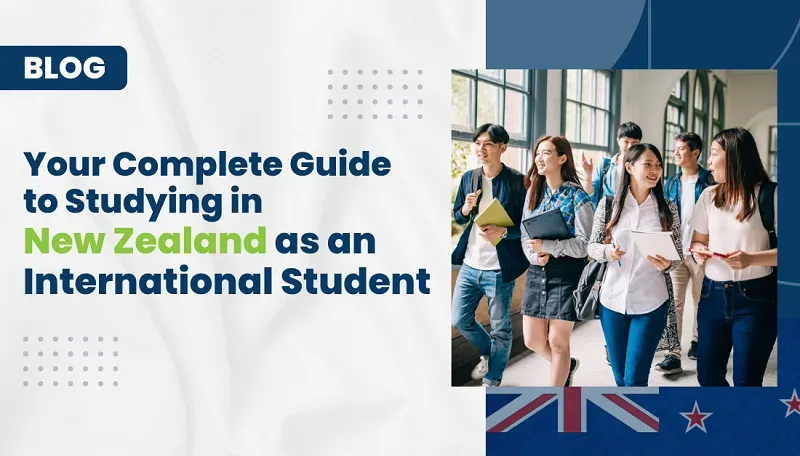
    Your Complete Guide to Studying in New Zealand as an International Student

    New Zealand is a sought-after destination for international students, with its high-quality education system, diverse culture, and stunning landscapes. But before you can fully embrace all that this country has to offer, you must navigate its complex student visa process. That’s where we come in. Our team of experts will guide you through every step of the visa application process, ensuring that your academic journey is smooth and successful.

    • Choosing the Right Study Path

    Selecting the right study path is critical to your success in New Zealand. Our experts will work with you to help you determine the qualifications, degrees, and NZ registrations you’ll need for your dream job. We’ll also provide advice on potential postgraduate requirements, ensuring that you’re well-prepared for your future career.

    • Financial Documentation

    Understanding that international education, particularly in New Zealand, can be a significant financial investment, we acknowledge the crucial role of financial readiness. Our team will assist you in meticulously preparing your financial documents, providing visa authorities with an assurance of your financial capacity to fund your education. This process is vital for the favourable outcome of your visa application. At times, even when you possess sufficient financial means, it may not be adequately represented on the Student Visa checklist of New Zealand immigration.

    • Scholarships for International Students

    There are many scholarship opportunities available for international students in New Zealand, but navigating the application process can be tricky. Our team of experts will provide you with all the information you need to know about eligibility requirements, application processes, and deadlines. We’ll also assist you in putting together a strong application.

    • Strengthen Your Visa Application

    Submitting a strong visa application is essential to ensure your chances of studying in New Zealand. Our team will help you prepare all the required documents and evidence, and make sure that your application is complete and meets all the necessary criteria. We’ll also provide you with valuable tips on how to make your application stand out from the rest.

    • Ongoing Onshore Support

    Our support doesn’t just stop at the visa application process. Once you’re in New Zealand, we’ll continue to provide you with guidance and support. We’ll assist you with finding accommodation, adjusting to the culture, and making new friends. We want you to have a successful and enjoyable academic journey, and we’re here to help you every step of the way.

    Studying in New Zealand as an international student can be a daunting task, but with our team of experts on your side, you can rest assured that your academic journey will be smooth and successful. We’ll help you navigate the complex student visa process, prepare your financial documentation, and apply for scholarships. We’ll also provide ongoing support once you’re in New Zealand. Don’t let the visa process hold you back from your dream of studying in this beautiful country. Contact us today and let us help you pave the way for a successful academic journey in New Zealand.

    Get in touch with Immigration Advisors New Zealand Ltd, which provides up-to-date immigration information so you can consider opportunities and prepare yourself for the future. To know all the required procedures, contact us at contact@nzimmigration.info  or call +64 09 3790219.

    Shaping Your Journey: The Critical Impact of Course Selection on Your New Zealand Student Visa Application

    Applying for a student visa to study in New Zealand can be a stressful and time-consuming process. One of the key factors that visa officers consider when reviewing applications is the course of study that the student plans to pursue. The relevance and suitability of the chosen courses can play a significant role in whether or not a visa is approved. As an international student, it’s important to understand how visa officers make their decisions and how you can increase your chances of being granted the visa you need to study in your dream country.

    First and foremost, visa officers want to know that you have a clear plan for your studies, and that your chosen courses are directly relevant to your career goals. This means that you’ll need to put some thought into the courses you choose before you apply for your visa. Consider your academic background, work experience if any, career aspirations and personal interests when selecting courses to study. This will help you to demonstrate to the visa officer that you have a clear and realistic plan for your education and career.

    In addition to choosing relevant courses, it’s important to show that you have a good understanding of your chosen field of study. This means that you should be able to explain why you have chosen the courses you have, and how they fit into your overall academic and career goals. You should also be able to articulate any relevant work experience, internships or academic projects that you have completed that demonstrate your passion and commitment to your chosen field.

    When choosing courses for your visa application, it’s also important to consider the reputation and ranking of the institution where you plan to study. Visa officers will look favourably upon applicants who plan to study at well-respected universities or institutions. This is because these institutions are more likely to offer high-quality courses and provide students with valuable learning experiences. Be sure to research the universities or institutions you’re interested in carefully and choose the one that best fits your academic and career goals.

    It’s also worth keeping in mind that visa officers will consider the graduate outcomes after the course completion and the level of demand for your chosen field of study. If your chosen field of study is in high demand and there is a clear need for skilled professionals, this can work in your favour when applying for a visa. New Zealand has a Green List of occupations that you can look up to see which occupations are in shortage in the country. This is because visa officers want to see that graduates of their institutions put the knowledge and skills they acquire while studying to good use in the job market or going for further studies.

    Our team of experts at Immigration Advisers New Zealand Ltd. can guide you about course selection, institute options, and the visa application process.

    Get in touch with Immigration Advisors New Zealand Ltd, which provides up-to-date immigration information so you can consider opportunities and prepare yourself for the future. To know all the required procedures, contact us at contact@nzimmigration.info or call on +64 09 3790219.

    Don’t Let a Declined New Zealand Student Visa Discourage You – Get Help from Our Experts and Pursue Your Dream!

    Applying for a student visa is one of the most exciting and nerve-wracking experiences for an international student. You’ve prepared all your documents, picked your dream school in New Zealand, and applied for your visa with great anticipation. However, hearing about a declined student visa can shatter your dreams and leave you feeling hopeless.

    If this happened to you, don’t despair, because there’s still hope! Our team of experts is here to assist you and help you overcome this challenging situation. We offer a free assessment to see if there’s a chance to appeal your visa or apply for a new one. Keep reading to find out how we can help you achieve your dream of studying in New Zealand.

    The Importance of a Student Visa

    A student visa is a legal document that allows international students to study in New Zealand. It’s a crucial requirement that enables students to pursue their academic goals, experience a new culture and develop their skills. Without a valid student visa, you won’t be allowed to enrol in any New Zealand educational institution and you’ll face legal consequences if you’re caught studying illegally.

    Common Reasons for Declined Student Visas

    There are numerous reasons why your student visa application may have been declined. It could be due to incomplete or incorrect documentation, insufficient or unacceptable funds, wrong course choice, failure to meet immigration requirements, or concerns about your intention to study in New Zealand. Sometimes, even small mistakes can lead to a visa rejection and you may need to seek professional help to rectify the situation.

    How We Can Help

    Our team of experts has years of experience dealing with New Zealand student visa appeals and re-applications. We’ll assess your situation, review your application, and provide you with clear guidance on your options. We’ll also help you prepare a solid case to make a strong advocacy to the immigration authorities. Our goal is to help you present the best version of yourself and demonstrate your genuine desire to study in New Zealand.

    Success Stories

    We’ve helped numerous international students overcome visa challenges and achieve their dream of studying in New Zealand. Our clients have come from different backgrounds and faced different obstacles, but we always work hard to find a viable solution for them. We believe that every student deserves a chance to pursue education and personal growth, and we’ll do our best to provide this opportunity to you too.

    In conclusion, don’t be disheartened if your New Zealand student visa application has been declined. You’re not alone, and there’s still hope for you. Our team of experts is ready to assist you and guide you throughout the re-application process. We’ll help you present your best self, overcome your challenges and navigate the complex immigration policies. With our support, you can pursue your dream of studying in New Zealand and gain valuable experiences that will last a lifetime. Please don’t hesitate to contact us for a free assessment and a brighter future.

    Get in touch with Immigration Advisors New Zealand Ltd, which provides up-to-date immigration information so you can consider opportunities and prepare yourself for the future. To know all the required procedures, contact us at contact@nzimmigration.info or call on +64 09 3790219.
    Minimum Wage and Median Wage in New Zealand

    In order to get some New Zealand visas, you must meet the wage rate requirement aka the wage threshold. 

    Immigration New Zealand (INZ) uses a comprehensive visa system that factors in multiple criteria, including wage thresholds, to determine eligibility for certain visas. The wage threshold is essentially a benchmark income level that must be met by visa applicants unless their roles come under an exemption category.

    These wage thresholds serve as an integral tool in evaluating the job requirements and assessing the skill level required for a particular occupation. They are frequently adjusted to keep pace with evolving economic conditions and rising inflation, ensuring that they remain effective and relevant.

    What is the minimum wage

    The minimum wage in New Zealand is the lowest hourly rate that an employer is legally required to pay an employee. It is set by the government and is reviewed every year. As of 1 April 2023, minimum wage nz 2023 is $22.70 per hour.

    When does the minimum Wage increase / next minimum wage increase nz

    New Zealand’s minimum wage increases every year in April. It is expected to be in line with inflation.

    What is the median wage / immigration nz median wage

    The median wage is the minimum pay threshold for most jobs under the Accredited Employer Work Visa (AEWV). As of 27 February 2023, the median wage is NZD 29.66 per hour.

    To know about the impact of the median wage on migrant workers and employers, click here

    When does the Median Wage Increase

    The median wage is announced every year in February.

    Accredited Employer Work Visa (AEWV) and the Median Wage

    AEWV jobs must pay the worker at least the median wage unless there is an exemption or the job is part of a sector agreement.

    Within certain sectors, there exists an agreement commonly referred to as a ‘sector agreement’ which permits companies to offer remuneration packages below the median wage for new employees who are being hired under an Alternate Employment Work Visa (AEWV). Nevertheless, this agreement is accompanied by a critical caveat; these companies are obligated to comply with a minimum wage threshold that is directly linked to the prevailing national median wage rate. 

    Some roles in sectors like tourism & hospitality, care workforce, meat processing, transport etc. are exempt from being paid the median wage.

    Skilled Migrant Category (SMC) Resident Visa and the Median Wage

    Under the new 6-points system effective 9 October 2023, points can be claimed for income as well.

    If you are paid 1.5 times the median wage, you can claim 3 points. If you are paid double the median wage, then you can claim 4 points. And if you are paid 3 times the median wage, you can claim 5 points.

    Parent Resident Visa and the Median Wage

    Anyone wanting to sponsor parents for a Parent Resident Visa must earn over the median wage. The sponsor must earn 1.5 times the median wage for 1 parent and an increase by half the median wage for each additional parent. 

    The visa wage thresholds are intrinsically linked to the median wage. In other words, any hike in median wage would result in an equivalent increase in the wage threshold for the visa. This mechanism ensures that visa holders have sufficient financial resources to support themselves and their dependents while residing in New Zealand. This practice also aligns with the country’s efforts to maintain a fair and equitable immigration system, where all visa applicants must meet certain economic standards before being granted entry. Therefore, the interdependence between visa wage thresholds and the median wage serves as a crucial component of the country’s immigration policy.

    The minimum wage and median wage in New Zealand are an important issue that affects many people. The government is committed to ensuring that the minimum wage is fair and that it keeps pace with inflation. In the coming years, the minimum wage is expected to continue to increase. This will help to ensure that everyone who is working full-time can afford to meet their basic needs.

    Get in touch with Immigration Advisors New Zealand Ltd, which provides up-to-date immigration information so you can consider opportunities and prepare yourself for the future. To know all the required procedures, contact us at contact@nzimmigration.info or call on +64 09 3790219.
    FAQs:

    [sp_easyaccordion id=”39962″]